
Things to Consider When Switching to an Electric Vehicle

Have you seen more electric vehicles on the road recently? Perhaps you’re debating
switching to an electric vehicle? As greener alternatives are being backed by the
government, you may find yourself wanting to know more about making the switch and
what you need to consider if you have an electric vehicle. We’ve put together our top
tips for drivers, have a read below.
Driving Range
The driving range of an electric vehicle (EV) is an important factor to consider, as it directly impacts the convenience and practicality of using an EV for your daily travel needs. The average electric vehicle is now made to have at least 200 miles, however
several factors influence the driving range of an electric vehicle. Understanding them is essential for making an informed decision if you’re thinking about switching to an electric vehicle.
Battery Capacity:
The primary element of an electric vehicle’s driving range is its battery capacity, which is usually measured in kilowatt hours (kWh). A bigger battery generally allows for a bigger range. When comparing different EVs, pay attention to the battery capacity as it directly
relates to how far the vehicle can travel before it needs to be charged up. So what’s the average battery size on a typical vehicle?
Let’s take the ‘World Car of the Year 2023’, the Hyundai Ioniq 6, the battery has a total capacity of 77.4kWh, with an
estimated usable capacity of 74kWh. That’s impressive!
Your daily commute
Evaluate your daily commuting needs and the range offered by different electric vehicles. Modern electric cars can have impressive ranges, but it’s essential to choose a vehicle that aligns with your driving needs. Did you know that the average amount of miles driven per day is actually only 20 miles? All electric vehicles can on average easily cover your daily, and even weekly driving needs before they will need to be charged.
Vehicle Efficiency:
Vehicle efficiency refers to how effectively an electric vehicle converts stored energy from its battery into actual driving distance. Factors such as aerodynamics, weight, and drivetrain efficiency play a role in determining how an EV uses its energy. More efficient
vehicles can achieve longer ranges with the same battery capacity.
Regenerative braking can also play a huge part in gaining back extra range in your EV. When you take your foot off the accelerator, the vehicle will begin to slow your speed, and in turn generate more miles that will go back into the battery for your journey. This type of braking will change the way you drive, and you’ll never go back!
Driving Habits:
Heavy accelerating and braking, or rushing to get to work is normal to a lot of drivers. We’ve all been there, but your driving habits significantly impact the actual range you’ll receive in an electric vehicle. Aggressive acceleration, high speeds, and frequent stops
can decrease efficiency and reduce the driving range. Conversely, smooth driving, regenerative braking, and maintaining a steady speed can optimise range. When we say EVs change the way you drive, we mean it.
Climate Conditions:
Climate conditions, particularly temperature extremes, can affect the performance of electric vehicle batteries. Cold temperatures can reduce the efficiency of the battery and decrease driving range. Some vehicles come with thermal systems as standard to reduce these effects, but it’s still good to be aware of how your range could be altered.
It is common for the battery range to be affected by the colder temperatures, and let’s face it, the UK is normally on the cold side, even during the summer! If you’re someone that turns the heating on full blast, and enjoys using heated seats, make sure you take
into account how much these features could change the available driving range.
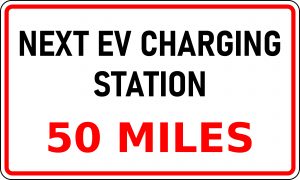
Range anxiety is a term that most drivers will have heard of, and it is the fear of running out of battery power before reaching your destination. It is a common worry among those thinking about switching to electric vehicles, but we would always say, you wouldn’t leave your car with barely any fuel so why would it be any different with an electric vehicle.
Charge Points
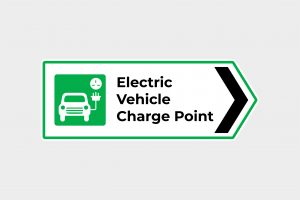
One of the biggest concerns for potential EV drivers is the amount of charge points available. Unlike traditional petrol stations, electric vehicles rely on a network of charging stations. Before making the switch, it’s important to research the following:
Consider installing a home charging point:
Anyone thinking about making the switch to an electric vehicle will mainly rely on charging at home. For added convenience, having a reliable and consistent power source can help you plan when you charge, ensuring you’ve got a full battery for the day ahead. So, what are the other benefits of installing a charging point at home?
Installing a car charging point at home offers plenty of other advantages. Firstly, the ease of having a dedicated charging station at home eliminates the need to visit public charging stations regularly, saving time and providing a hassle-free experience for vehicle owners. If you have a busy lifestyle and worry about finding the time to charge your car, then having a home charger fitted will make this decision easier.
Additionally, home charging allows users to take advantage of lower electricity rates during off-peak hours, reducing the overall cost of charging compared to public alternatives. Companies such as OVO and British Gas, even offer cheaper off peak EV
charging tariffs. Meaning you could be charging your vehicle from just 7p per kWh.
When you install a home charging point you won’t have to wait in petrol stations or at supermarkets just to access a rapid charger. On average, drivers can expect to pay around 74p per kWh, so it’s a great saving!
Having a home charging point will also mean a fully charged vehicle each morning, offering peace of mind and eliminating any worries about driving with limited range. The installation of a home car charging point not only enhances the practicality and
affordability of electric vehicles but also supports the transition towards more sustainable and eco-friendly transport.
Availability of charging points in your area and along your regular routes:
Most EV drivers can rely on charging apps such as ZapMap to give them live information about local charge points. This often includes how much they cost, whether they are in use by other drivers, and the different payment methods available. Having easy access to charging apps can provide drivers with the essential information they need to plan their routes. As of December 2023 there were 31,056 locations with 53,906 charge points available to use according to ZapMap.

Maintenance and Repairs
Electric vehicles generally have fewer moving parts than traditional internal combustion engine (ICE) vehicles, leading to lower maintenance costs. However, it’s essential to understand the maintenance needs specific to electric cars. Alongside the standard tyre maintenance and brake pad changes, EV drivers need to consider:
●Battery maintenance
●Software updates
●Charging Port and Cable Inspection
●Occasional maintenance of the heating, ventilation, and air conditioning (HVAC)
system
Did you also know that some road breakdown services such as RAC
also now specialise in recovering electric vehicles, giving you peace of mind that you’ll be looked after should anything go wrong.

Are you ready to make the switch to an electric vehicle?
Switching to an electric vehicle is certainly a decision that needs to be considered carefully, but there are plenty of benefits once you know more about them. Drivers can reap the rewards of lower maintenance costs, and off peak charging tariffs. However the question lies as to whether public charge points are reliable enough at this moment in time for drivers needing to make longer road trips, and if they feel comfortable enough to charge. We know that hundreds of charge points are being installed in shopping
centres, service stations and on the roadside every day, and in time public charging will become second nature to us all. It will take time for drivers to adapt to a lifestyle change as big as this, but until then the reassurance of home charging points is growing
massively.

Need to know more about EV charger installations?
Vartia Electrics stands out as a reliable and innovative provider in the electric vehicle charging industry, making us the ideal choice for customers seeking to install EV chargers. If you’re thinking about making the switch to an electric vehicle, then get in touch
today to discuss our various chargers available.
All information and pricing correct as of: Thursday 01 February 2024.
For the latest news and offers, don’t forget to follow us on social media:
Get In Touch For Your Free Quote
If you would like any help with choosing your EV charge point conatct us today.
Customer Service
We promise treat you and your property with respect. You will be given a specific time of arrival and a demonstration on how to use your EV charger and mobile application before we leave.
High Quality
Our work is carried out to a high standard we only use high quality materials. We test and issue an electrical certificate for every EV charger installed.
Warranty
All our EV charge points come with a minimum of a 1 year warranty, depending on the make and model a 3 year warranty is also available.
0208 144 1428
Vartia Electrics, Unit 503, 89 High Street, Sidcup, DA14 6DW
Mon-Fri 9:00 – 16:00